
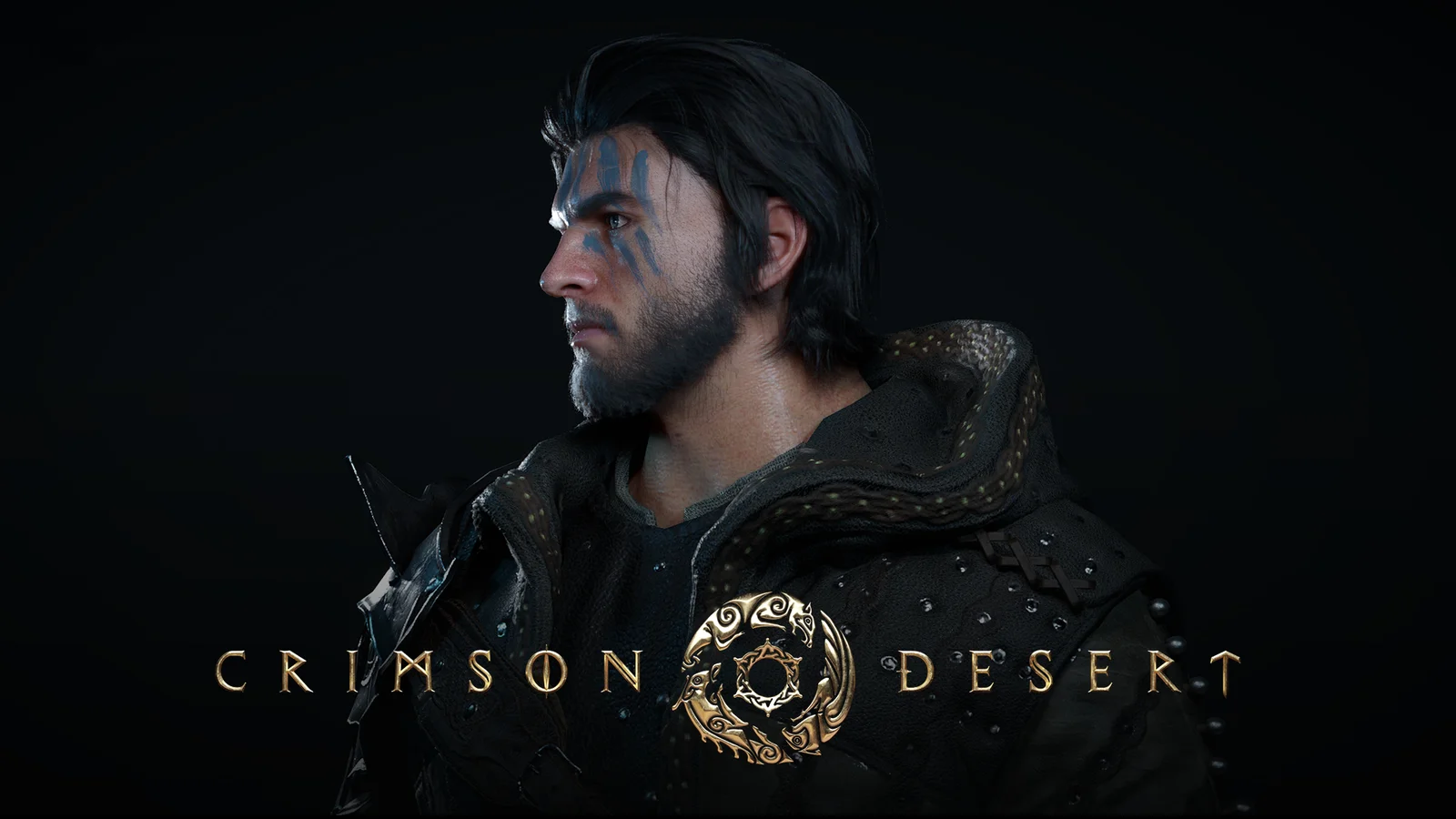
There's a moment in Crimson Desert where you're riding a horse through a mountain pass at dusk, the sky doing something extraordinary in amber and violet, and a village appears in the valley below. You slow down without thinking, just to look.
That tension — a spectacular world paired with a story that can't quite keep up — defines the whole experience. The continent of Pywel is a technically impressive open world. Pearl Abyss spent seven years building it and, by its own admission, ran short on time to give it a story worth following.
A World That Dares You Not to Explore It
Pywel is enormous, and not in the filler-open-world sense — every region has its own visual identity and reason to exist. Cold, Viking-adjacent highlands. Terracotta desert floodplains dotted with walled city-states. A clockwork city tended by mechanical beings. Sky islands above the cloud line. And beneath it all, the Abyss, a mystical realm pulling at the story's edges like something trying to get out.
The verticality is the standout technical achievement: stand on any high point and the entire continent renders beneath you, seamlessly, with no loading screens. Cliffs can be scaled, gliders carry you between elevations, and dragon riding opens the upper atmosphere later on. Few open worlds reward curiosity this consistently.
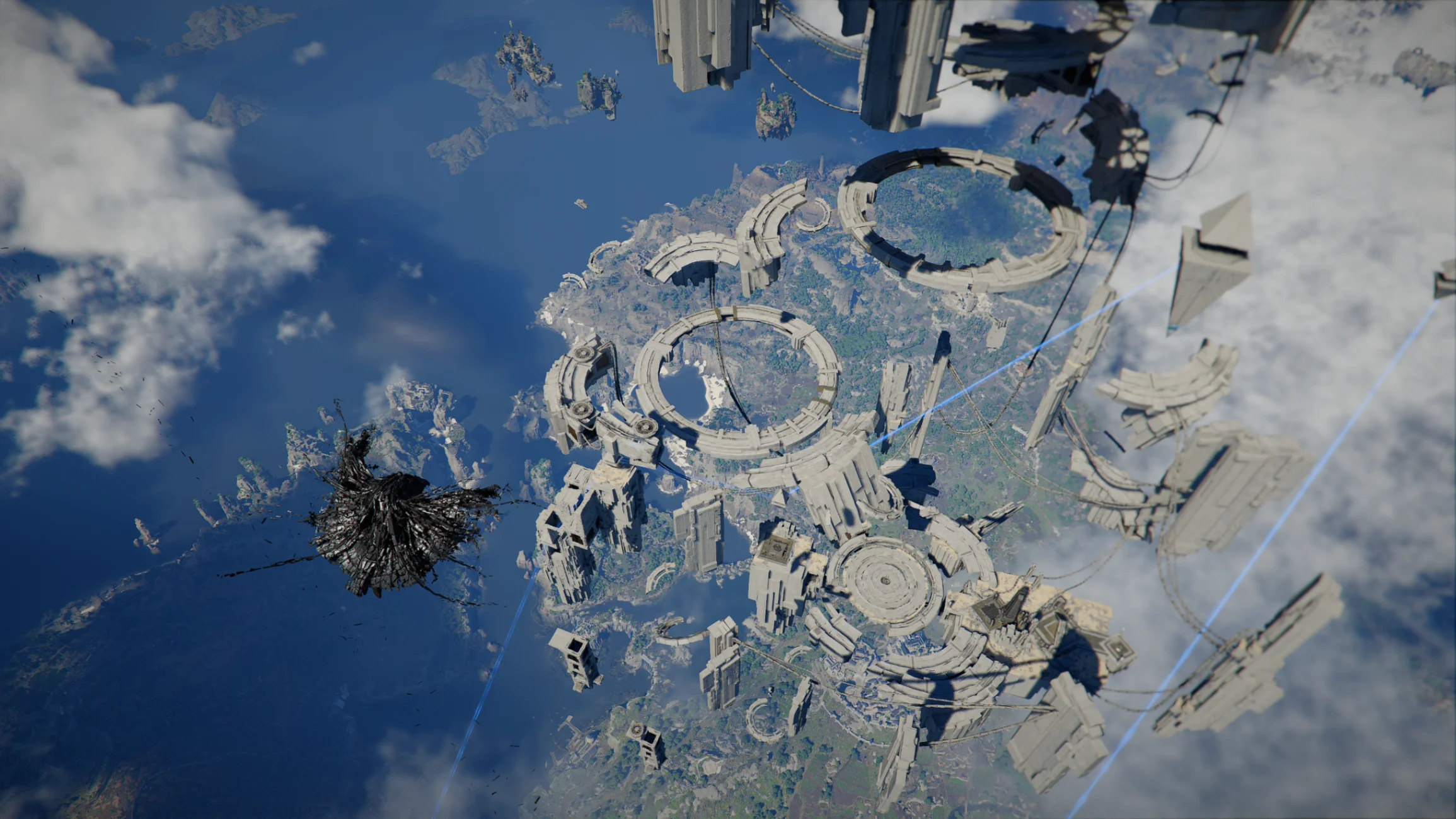
The density is relentless, too. Pearl Abyss has carried over a decade of Black Desert Online's sandbox design into a single-player game with unprecedented polish for the studio. Fishing, gambling, cooking, camp building, dragon taming, a flying mech that arrives so unexpectedly it takes a minute to process what you're looking at. There's no consistent aesthetic throughline; the game wants to be everything at once, and mostly succeeds because Pywel is big enough to hold the contradictions.
Kliff's Combat Is Spectacular. His Story Isn't.
Kliff the Greymane leads a mercenary company that was betrayed and scattered, and after his own death and resurrection, he's rebuilding it piece by piece. That summary sounds functional, and in practice the story rarely rises above it. Threads drop mid-arc, significant-seeming characters fade without resolution, and the pacing confuses — Kliff recovers from mortal wounds within moments even as in-game markers suggest days have passed.
Pearl Abyss has acknowledged the shortfall directly. At a shareholder meeting after launch, CEO Heo Jin-Young said the studio "partially agrees" with criticism of the weak narrative, explaining the team prioritized its core strength — gameplay — given limited development time. Since then, updates have specifically targeted narrative cohesion, adjusting scene transitions and pacing around Kliff's journey.
What makes this forgivable is that the combat is genuinely excellent.
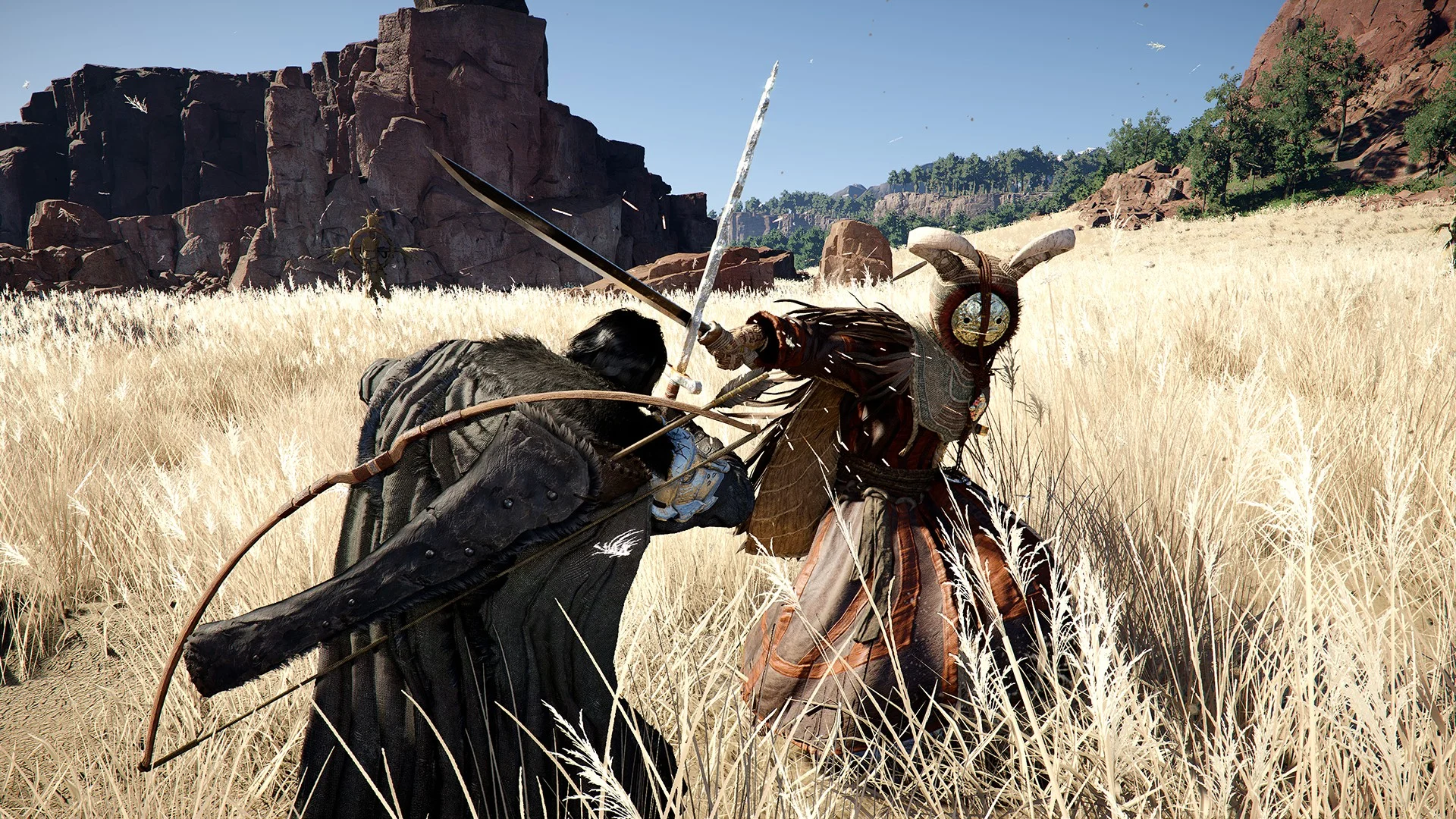
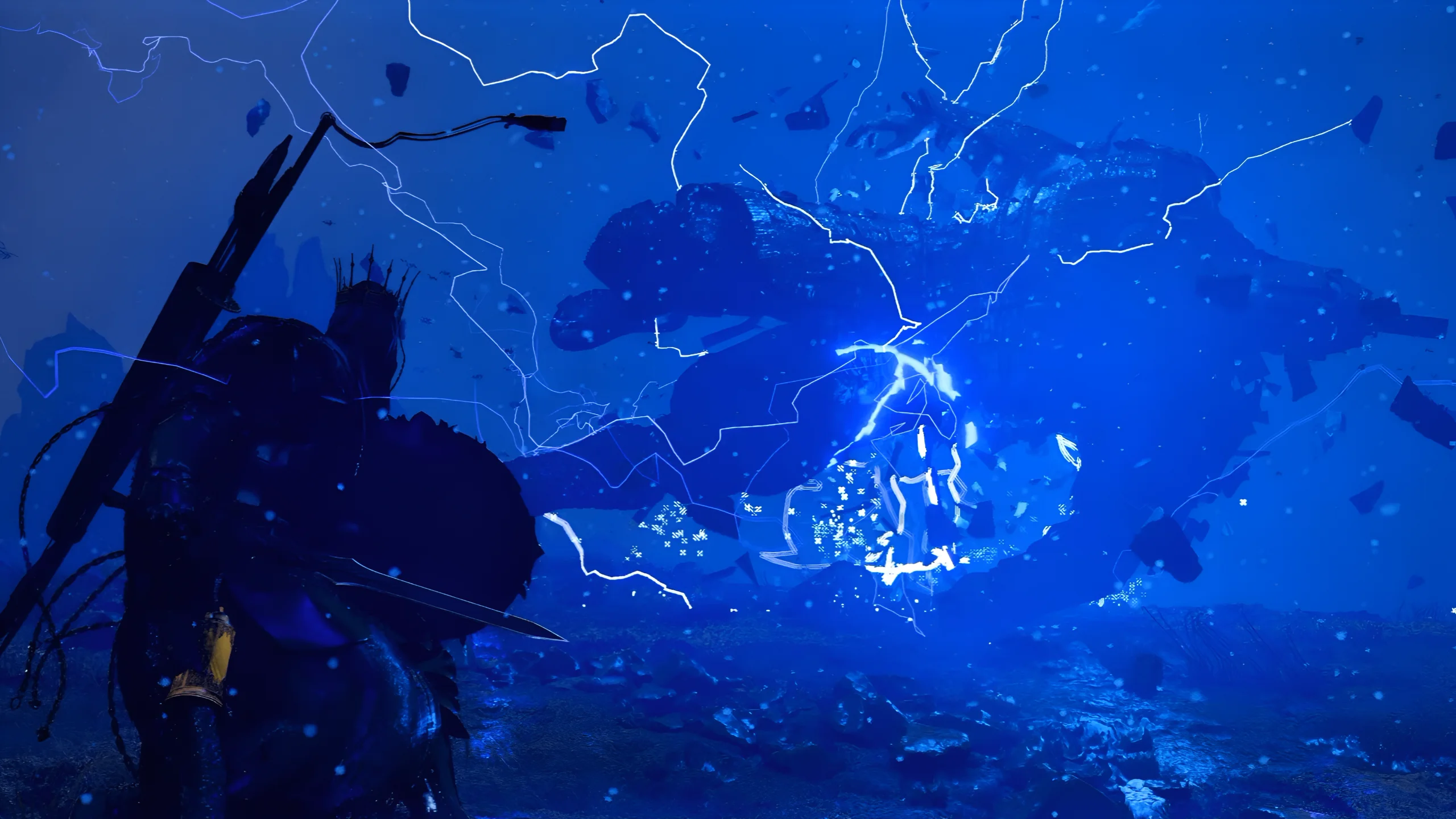
Kliff's moveset builds around chained combos and positional reads rather than stamina management. Attacks connect with real weight — enemies stagger visibly, and the transition between light and heavy attacks feels designed, not arbitrary. The stagger system is the mechanical highlight: break a boss's poise bar and you open a cinematic punishment window that never gets old. The multi-phase encounters late in the game, especially the Titans and Abyss-corrupted creatures, are staged with real ambition — phase transitions shift the arena, the music, and the approach all at once.
The three playable characters feel genuinely distinct: Damiane's shield style rewards defensive positioning; Oongka hits harder and slower. Post-launch patches have expanded both movesets after community feedback that they felt underpowered next to Kliff, and both are now substantially more viable.
Pywel Is Alive. The Systems Around It Are Occasionally Not.
The camp system most clearly reveals the game's MMO origins — and shows how much has changed since launch. At launch, inventory was genuinely punishing: fragmented storage, confusing menus, a weight system built for a persistent online world rather than a single-player campaign. A dedicated storage update added separate chests for materials, food, and collectibles, turning the camp into a base worth returning to.
May's patch 1.05.00 added two systems that solve the open world's most common problem — the map going quiet once you've cleared it. Re-Blockade lets 13 factions re-siege 23 previously liberated forts and quarries, on a frequency you control. The Rematch system lets you refight any of 69 previous bosses via Memory Fragments, either exactly as first encountered or scaled to your current progression. Together they give the game a genuine endgame loop, and Pearl Abyss has kept building on it — August's patch 1.16.00 overhauled the trading and banking systems, adding over 130 new trading posts and new investment options; numbered updates have now reached 1.18.00.
Mission variety in the campaign is where that momentum hasn't fully caught up: escort sequences overstay their welcome, and delivery quests feel checklist-driven rather than written.
Crimson Desert Looks Like Nothing Else in 2026
Built on Pearl Abyss's proprietary engine, this is one of the most technically impressive open worlds available right now. Character rendering matches the RE Engine's best work, and the lighting system handles time-of-day and weather with a specificity that makes Pywel feel photographically real even where the fantasy elements aren't. The Abyss realm, breaking from the grounded surface aesthetic into something abstract and unsettling, shows real art-direction ambition rather than a palette-swapped underworld.
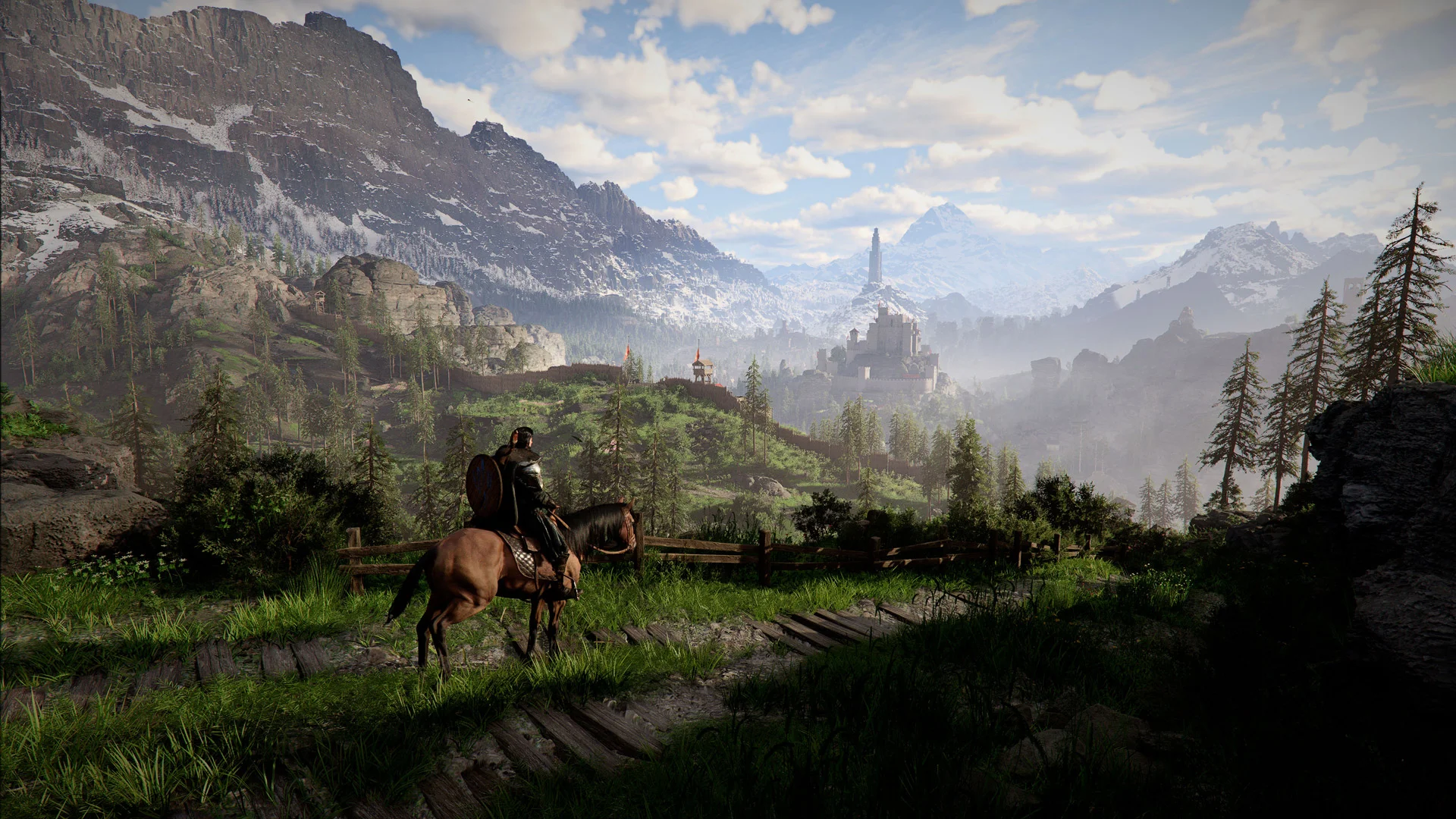
On high-end PC hardware it's a visual benchmark; mid-range 1440p setups run well, and stability has improved meaningfully since the rougher day-one build. DLSS Dynamic Multi-Frame Generation arrived in May's patch for RTX 50 hardware, and a PS5/Xbox Sharpness Enhancement option in the same update gave console a visual bump it lacked at release. The audio is exceptional throughout — the score shifts fluidly between the grounded world and the Abyss's dread, and combat sound design does as much work as the visuals in making Pywel feel inhabited.
A Different Game Than It Was in March
Pearl Abyss's post-launch support has been among the most sustained of any major 2026 release: numbered updates have now reached patch 1.18.00 as of mid-August, with the studio releasing fixes and content on a near-weekly cadence rather than committing to a fixed roadmap. A DLC is confirmed in development, and Pearl Abyss has also teased multiplayer features and a future Switch 2 release, suggesting the game's scope is still growing well past launch.
Worth being upfront: Crimson Desert launched to a genuinely divided reception that hasn't fully closed. Metacritic sits in the high 70s (77 on PC, 78 on PS5), with OpenCritic slightly higher around 80, and individual reviews range from Eurogamer's 3/5 to IGN's 6/10 up to Destructoid's 8.5/10 — scores have shifted a little since launch, but the overall picture remains a solid-not-universal consensus. This review's 8/10 leans toward the favorable end of that range, largely because the months of patches since launch have addressed several of the issues that dragged early scores down. If you're comparing this score to a launch-week review, you're looking at two different versions of the same game.
Pros & Cons
What Works:
Densely detailed, technically impressive open world
Excellent, weighty combat system
Ambitious, cinematic boss fights
Strong visuals and art direction
What Doesn't:
Weak, inconsistently paced narrative
Uneven mission design, particularly mid-campaign
Inventory and camp systems retain MMO-style complexity that can overwhelm single-player pacing
What's Improved:
Storage and inventory overhaul since launch
New endgame loop via Re-Blockade and boss Rematch systems
Expanded trading and banking systems as of August's update
Character balance for Damiane and Oongka
Reviewed on PC and PS5. Post-launch updates through patch 1.18.00 (August 2026) reflected in this assessment. Available on PC (Steam/Epic), PS5, Xbox Series X/S, and Mac.
TheCoreGamer | Staff Review
The Verdict
The world and combat here are strong enough to push this toward a 9 — but the inconsistent story and mission design pull it back down. An 8 reflects that balance: a game whose highs are close to genre-best, weighed down by a narrative and mission structure that don't match the ambition of everything around them. None of that changes the fact that Pywel is a remarkably realized open world, the combat against its best bosses is genuinely exceptional, and Pearl Abyss has spent every week since launch making the game measurably better. If you bounced off the rough edges at launch, the current version deserves another look. If you haven't played it yet, you're getting the best version so far.
Crimson Desert
Available at Steam
↗ Affiliate link — we may earn a commission at no extra cost to you. Learn more